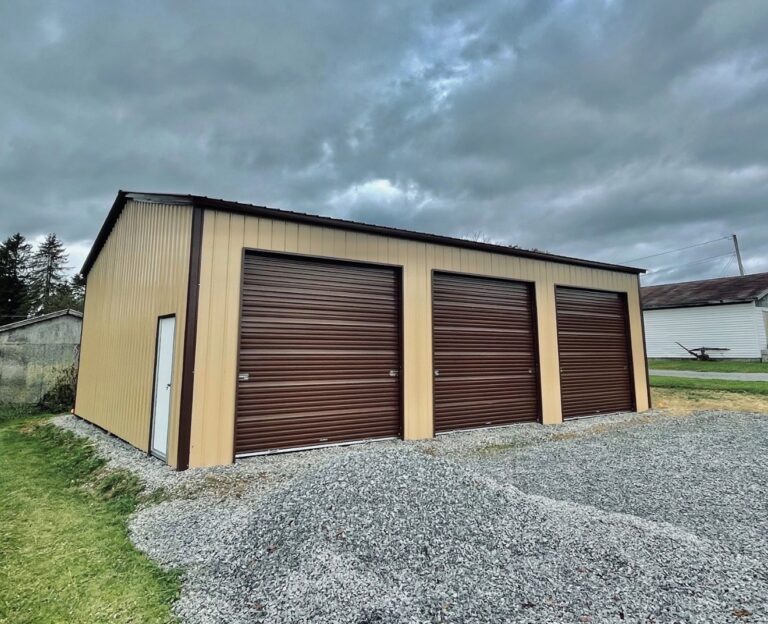
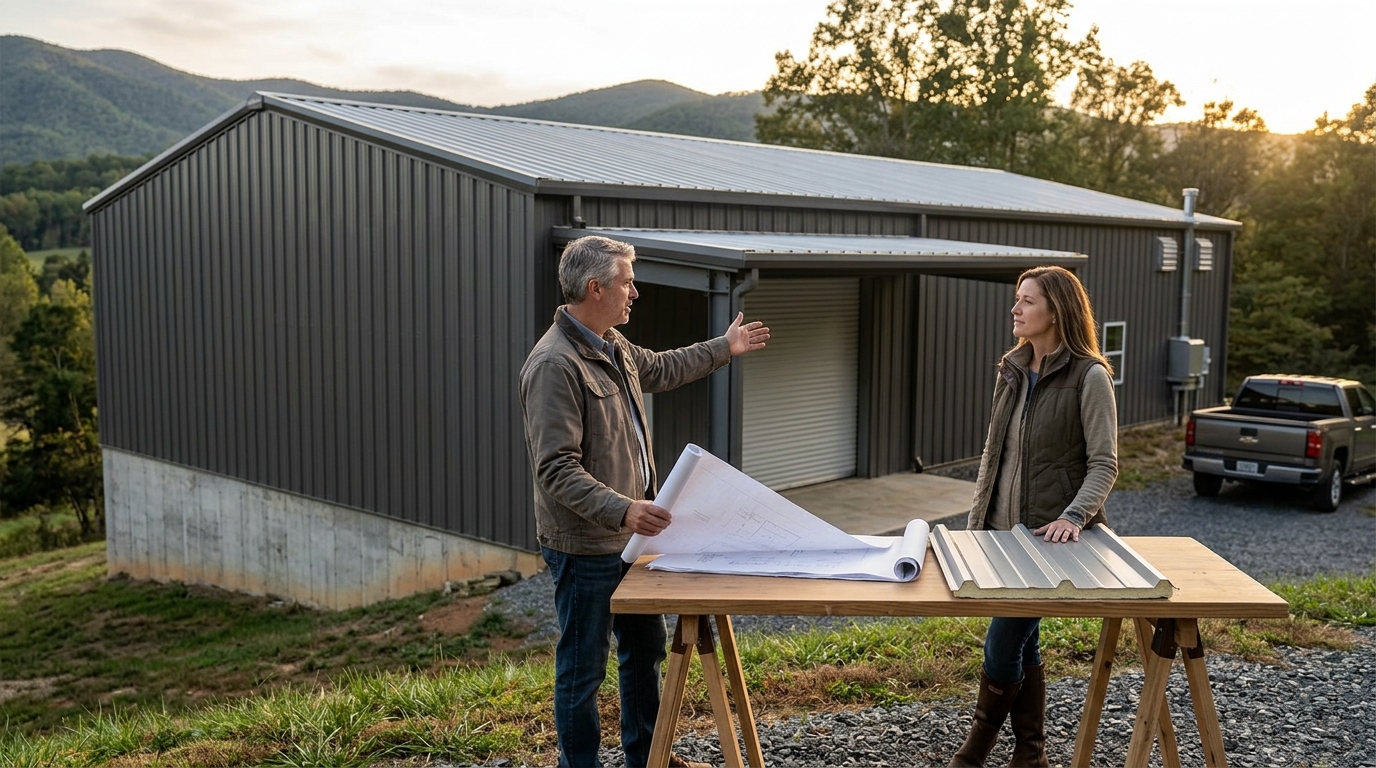
When evaluating a steel structure, buyers often focus on price per square foot, but that metric ignores the engineering and material quality that determine long-term durability. A quality metal building is a certified, engineered structure designed to withstand specific local wind and snow loads while maintaining structural integrity over decades. Stoots Storage Solutions emphasizes that the frame, foundation, and roof style are the critical components that separate a durable asset from a temporary shelter.
1. Certified Wind and Snow Load Ratings
Engineering certification is the single most important safety feature in any steel building. A certified building is a structure that has been engineered to meet specific local wind and snow load requirements. Generic ratings are insufficient because weather patterns vary significantly by county and elevation. Stoots Storage Solutions ensures that every building is certified for the specific address where it will be installed, providing the engineered drawings required for local permit approval.
2. High-Quality Steel Gauge and Framing
Thicker steel and heavier framing provide the structural backbone needed for longevity. Steel thickness is a critical specification that directly impacts the building's ability to resist deformation under stress. Heavier frame tubing and thicker panels cost more upfront but prevent the bowing and warping that can occur in lighter, cheaper structures. Buyers should always ask for the specific gauge of the frame and panels to ensure they are comparing equivalent products.
3. Vertical Roof Paneling
Vertical roof panels shed water and snow more effectively than horizontal styles. A vertical roof is a design where panels run from the peak of the roof down to the eaves. This orientation allows rain, leaves, and snow to slide off the structure rather than sitting in the ribs, which reduces the risk of water pooling and ice dam formation. Approximately 80% of customers choose this style because it offers superior performance in both wet and snowy climates.
4. Proper Foundation and Anchoring
The foundation is the base that holds the entire structure together during high winds. A metal building is only as stable as its connection to the ground. Cast-in anchor rods set during the concrete pour provide the strongest hold for new structures, while mechanical or chemical anchors are used for existing slabs. Stoots Storage Solutions handles both the concrete pouring and the steel installation, ensuring the anchors are placed exactly where the building requires them.
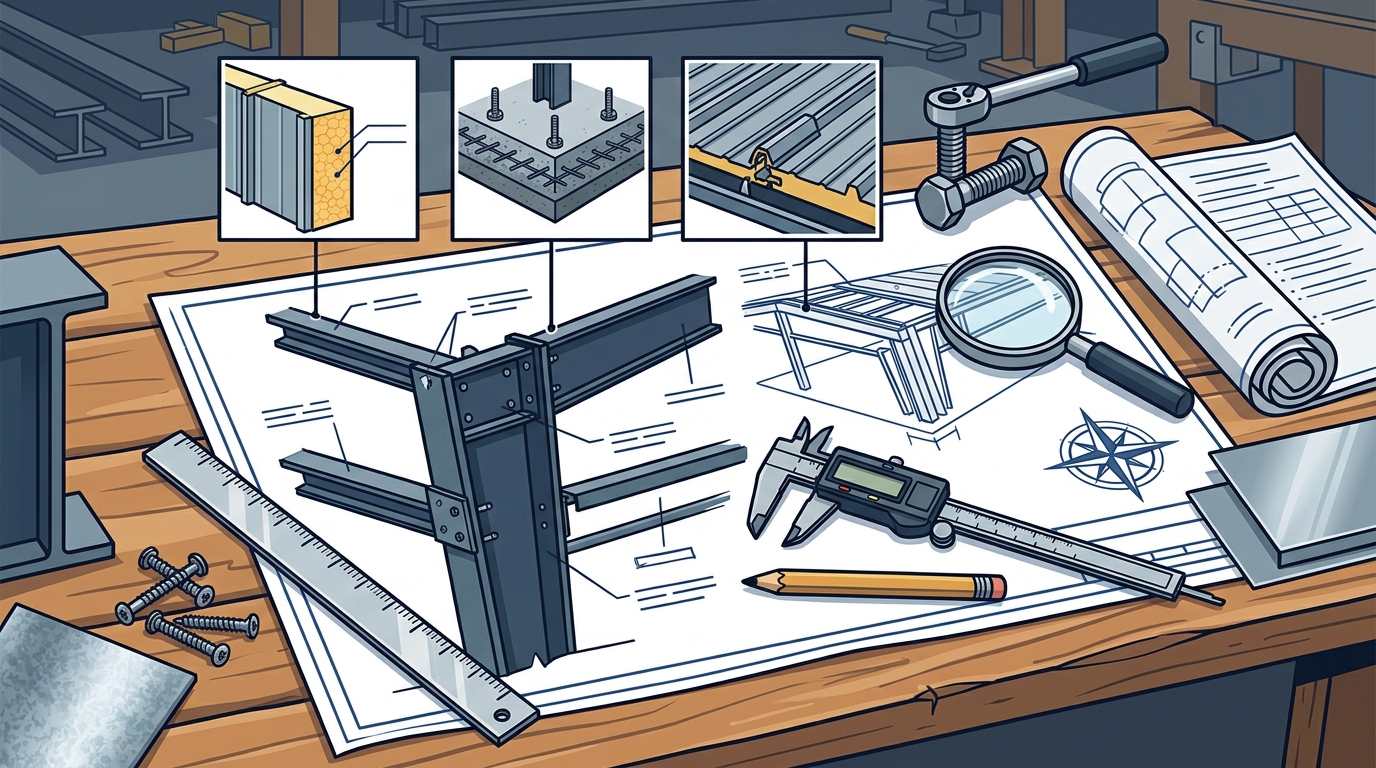
5. Integrated Insulation and Vapor Barriers
Correctly placed insulation prevents condensation, which is the primary cause of interior rust. Insulation is a thermal barrier that keeps interior surface temperatures above the dew point of the air. Without a properly sealed vapor barrier on the warm side of the insulation, moisture will condense on the steel panels, leading to rust and mold. Installing these components during the initial build is far more effective and cost-efficient than retrofitting them later.
6. Durable Coatings and Finish
High-quality paint systems protect the steel from UV degradation and corrosion. The finish on a metal building is a protective layer that shields the steel from the elements. Premium coatings resist fading, chalking, and rust better than standard finishes, maintaining the building's appearance and structural integrity over time. Buyers should look for warranties on the paint system to ensure the manufacturer stands behind the finish quality.
7. Comprehensive Warranty Coverage
A strong warranty reflects the manufacturer's confidence in their product and workmanship. A quality warranty is a guarantee that covers defects in materials and workmanship for a specified period. It should clearly outline what is covered, including the frame, panels, and fasteners, as well as the process for making a claim. Stoots Storage Solutions works with vetted manufacturers who provide reliable support, ensuring that customers are protected long after the installation is complete.
Choosing the Right Features for Your Project
When prioritizing these features, start with the engineering certification and foundation, as these are the hardest and most expensive to fix after installation. Next, select the roof style and insulation based on your local climate and how you plan to use the building. Finally, review the steel specifications and warranty terms to ensure you are getting a durable product from a reputable source. For a turnkey solution that handles everything from site prep to the final anchor, contact Stoots Storage Solutions for a detailed quote. according to Department of Civil
Frequently Asked Questions
What is the difference between a certified and non-certified metal building?
A certified building has been engineered by a professional to meet specific local wind and snow load codes, while a non-certified building uses generic ratings that may not be safe for your specific location. Certified buildings are required for most permits and provide a higher level of safety and insurance compliance.
Why is a vertical roof better than a standard curved roof?
A vertical roof runs panels from the peak to the eave, allowing water and snow to shed off the building rather than sitting in the panel ribs. This reduces the risk of water pooling, ice dams, and long-term corrosion, making it the preferred choice for enclosed buildings in most climates.
Do I need a concrete slab for a metal building?
While some buildings can be anchored to the ground or a gravel pad, a concrete slab is recommended for garages, workshops, and storage buildings to provide a clean, dry floor. Stoots Storage Solutions pours footers below the frost line and a 4-inch slab to ensure the building is level and stable.
How does insulation prevent condensation in a metal building?
Insulation raises the temperature of the interior steel surfaces, keeping them above the dew point of the indoor air. When combined with a properly sealed vapor barrier, it prevents moisture from condensing on the panels, which protects your stored items from rust and mold.
Can I add features to my metal building later?
Some features like doors and windows can be added later, but structural changes like increasing height or changing the roof style are difficult and expensive. It is best to plan for your future needs, such as a vehicle lift or extra storage, during the initial design phase to avoid costly modifications.