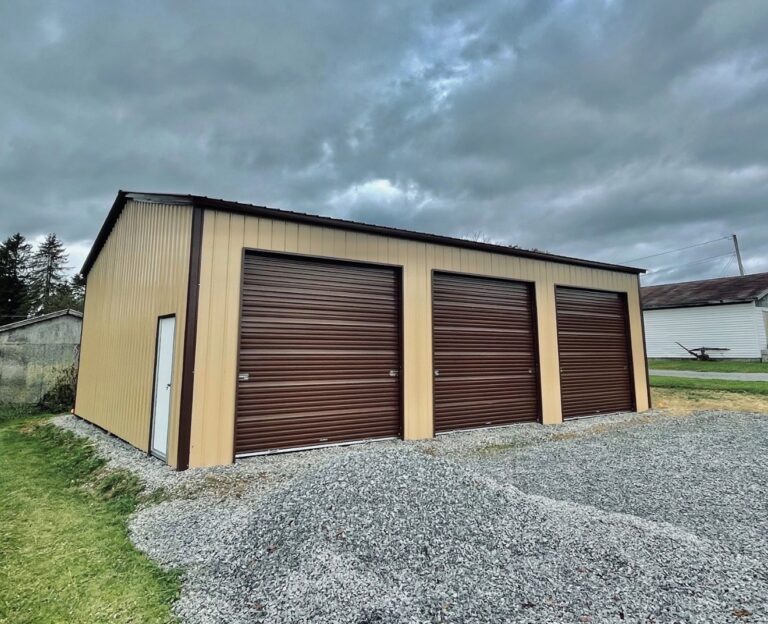

Choosing the right financing method for a metal building depends on your cash flow, timeline, and long-term business goals. Stoots Storage Solutions helps small business owners in Virginia and Tennessee navigate these options by providing transparent quotes and flexible payment structures. This guide compares the most common financing paths against traditional construction methods to help you make an informed decision.
1. Rent-to-Own Programs
Rent-to-own allows you to secure a building with a small down payment and pay monthly until you own it. This option is ideal for buyers who need immediate space but lack the capital for a lump-sum purchase. Stoots Storage Solutions offers a rent-to-own program with 15% down and monthly payments that are approximately 25% lower than typical industry rates. You can also pay off the balance within 90 days of delivery to avoid finance costs entirely.
2. Cash Purchase with Price Lock
Paying cash upfront is the most cost-effective method, and a price lock protects you from market fluctuations. Steel prices can rise due to supply chain issues, but a 15% deposit can lock your quoted price until spring. This strategy is best for buyers with available funds who want to minimize total expenditure. It eliminates monthly payments and interest, making it the simplest financial path to ownership.
3. SBA 7(a) Loans
Small Business Administration loans provide long-term financing with competitive interest rates for established businesses. These loans are suitable for larger commercial projects or when you need to finance both the building and equipment. The application process is more rigorous than rent-to-own, requiring detailed business plans and financial statements. However, the lower interest rates can save money over the life of the loan compared to short-term financing.
4. Equipment Financing
Equipment financing treats the building as a capital asset, allowing you to borrow against its value. This option is common for workshops and commercial facilities where the building generates revenue. Lenders typically require a down payment and assess the building’s appraised value. It offers a middle ground between cash and rent-to-own, with terms that align with the building’s useful life.
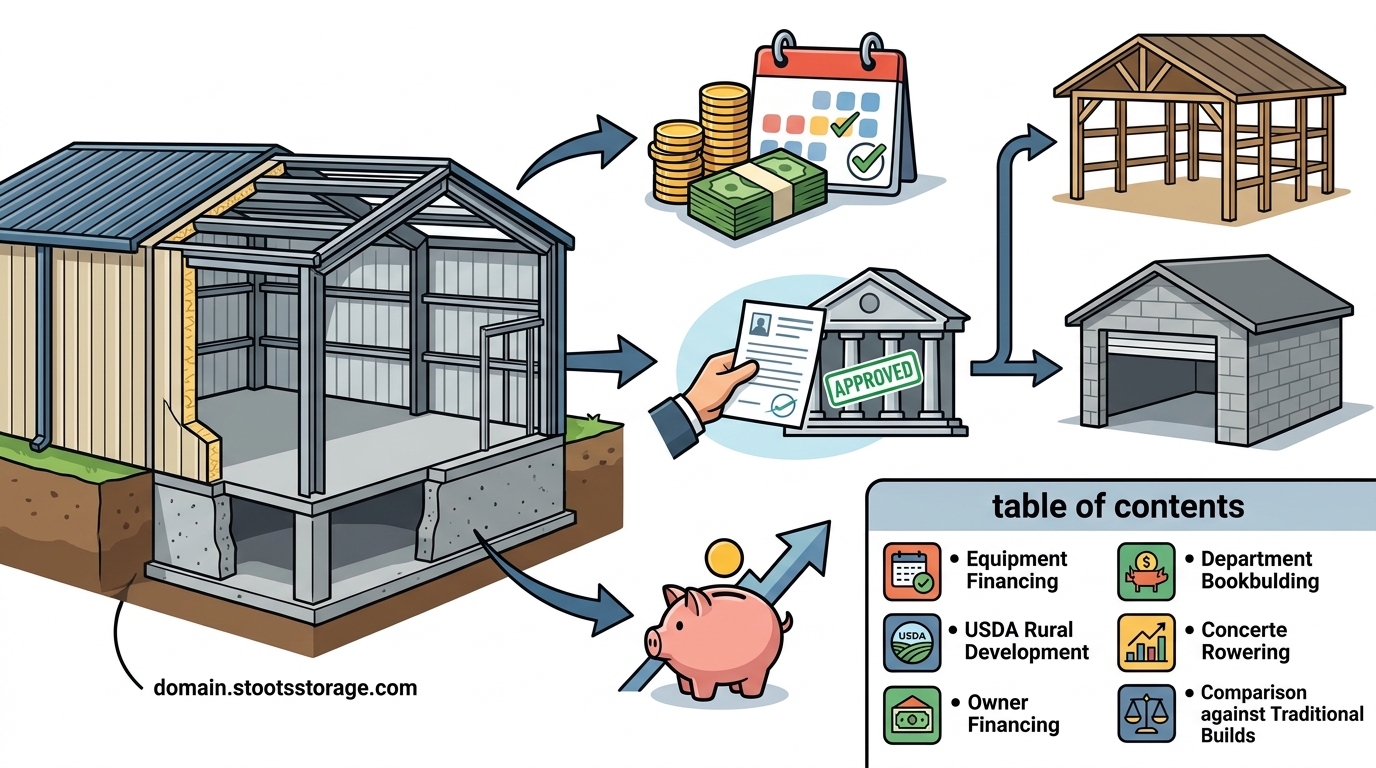
5. Home Equity Lines of Credit (HELOC)
A HELOC lets you borrow against your home’s equity to fund a shop building on your property. This is a popular choice for homeowners adding a garage or workshop to their residence. The interest rates are often lower than unsecured loans, but you risk your home if you default. It is best suited for residential projects where the building adds value to your property.
6. Personal Loans
Personal loans offer quick access to funds without collateral, though they come with higher interest rates. This option works for smaller buildings or buyers with excellent credit scores. The approval process is fast, and you do not need to put up business assets as security. However, the higher cost of borrowing makes it less attractive for large commercial projects.
7. Traditional Construction Loans
Construction loans fund the building process in stages, releasing funds as milestones are completed. This is the standard approach for custom concrete and steel structures. You pay for site prep, footers, and the slab as they are finished, rather than upfront. It requires a solid relationship with your contractor and lender, but it aligns payments with actual work progress.
Choosing the Right Option
Frequently Asked Questions
Is rent-to-own available for all metal buildings?
No, open carports are not eligible for rent-to-own. Enclosed buildings like garages, workshops, and barns qualify for the program.
How much is the down payment for rent-to-own?
The down payment is 15% of the building price. This amount secures the order, delivery, and installation.
Can I pay off a rent-to-own loan early?
Yes, you can pay the balance within 90 days of delivery to avoid any finance costs. The clock starts at delivery, not signing.
Do I need a permit for a metal building?
Yes, most counties require a building permit. Stoots Storage Solutions provides engineered drawings and certification for local wind and snow loads to help you pass inspection.
What is a price lock?
A price lock is a 15% deposit that holds your quoted building price until spring. If steel prices rise, the increase is absorbed by the contractor, not you.
Does the financing cover concrete?
No, concrete is quoted and paid separately. The rent-to-own agreement covers the steel building only, while concrete follows a separate payment schedule.