7 Licensing Certifications to Verify Before Hiring a Workshop Builder in Virginia
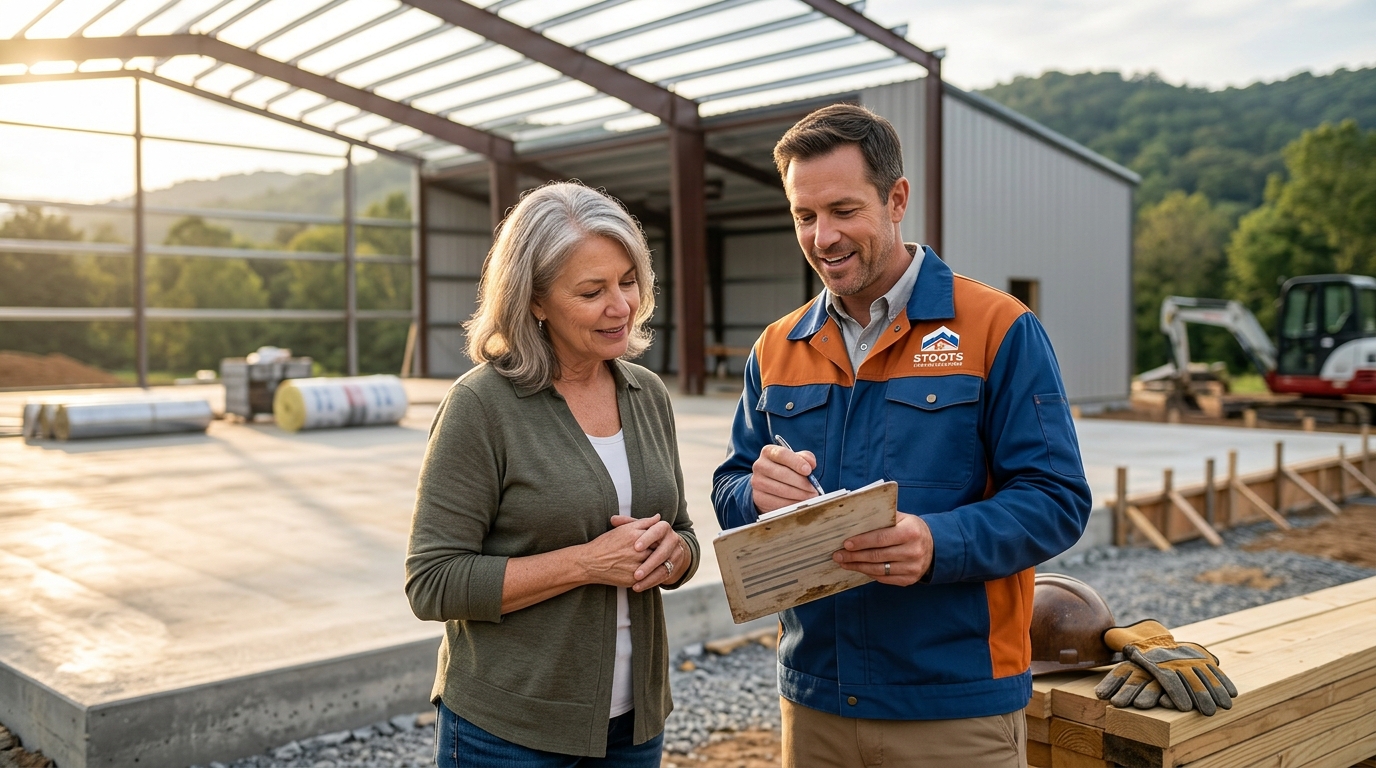
Virginia does not require a general contractor license for most residential metal building installations, but specific trades and structural work do require state-issued credentials. Verifying these certifications protects your investment and ensures your workshop meets local safety codes. Stoots Storage Solutions helps homeowners in Southwest Virginia navigate these requirements by handling site prep, concrete foundations, and steel erection under one roof.
1. Virginia Class A General Contractor License
Verify if the builder is managing the entire project scope. While Virginia does not mandate a license for simple metal building installation, a Class A General Contractor license is required if the project includes significant site work, electrical, or plumbing. This license indicates the business has demonstrated financial stability and experience in managing complex construction projects. If your workshop involves extensive grading or utility connections, this credential is a critical safety net.
2. Concrete Contractor License
Confirm the crew is qualified to pour footers and slabs. Concrete work in Virginia often requires specific licensing depending on the county and the scale of the pour. A licensed concrete contractor ensures that footers are poured below the local frost depth and that the slab meets structural requirements. Stoots Storage Solutions pours its own concrete, ensuring the foundation aligns perfectly with the steel building layout.
3. Structural Engineer Seal
Check for engineered drawings with a professional seal. Many Virginia counties require engineered drawings for metal buildings, especially those in high-wind or high-snow load zones. A structural engineer's seal on the plans verifies that the building design meets local code requirements. This is essential for passing inspections and ensuring the building can withstand regional weather conditions.
4. Local Building Permit Authority
Ensure the builder knows how to navigate your specific county's rules. Virginia counties and towns set their own permit processes, setbacks, and inspection requirements. A knowledgeable builder will know exactly what your local building office requires before you order materials. This prevents costly delays and ensures your workshop is legal and insurable.
5. OSHA 30-Hour Construction Safety Card
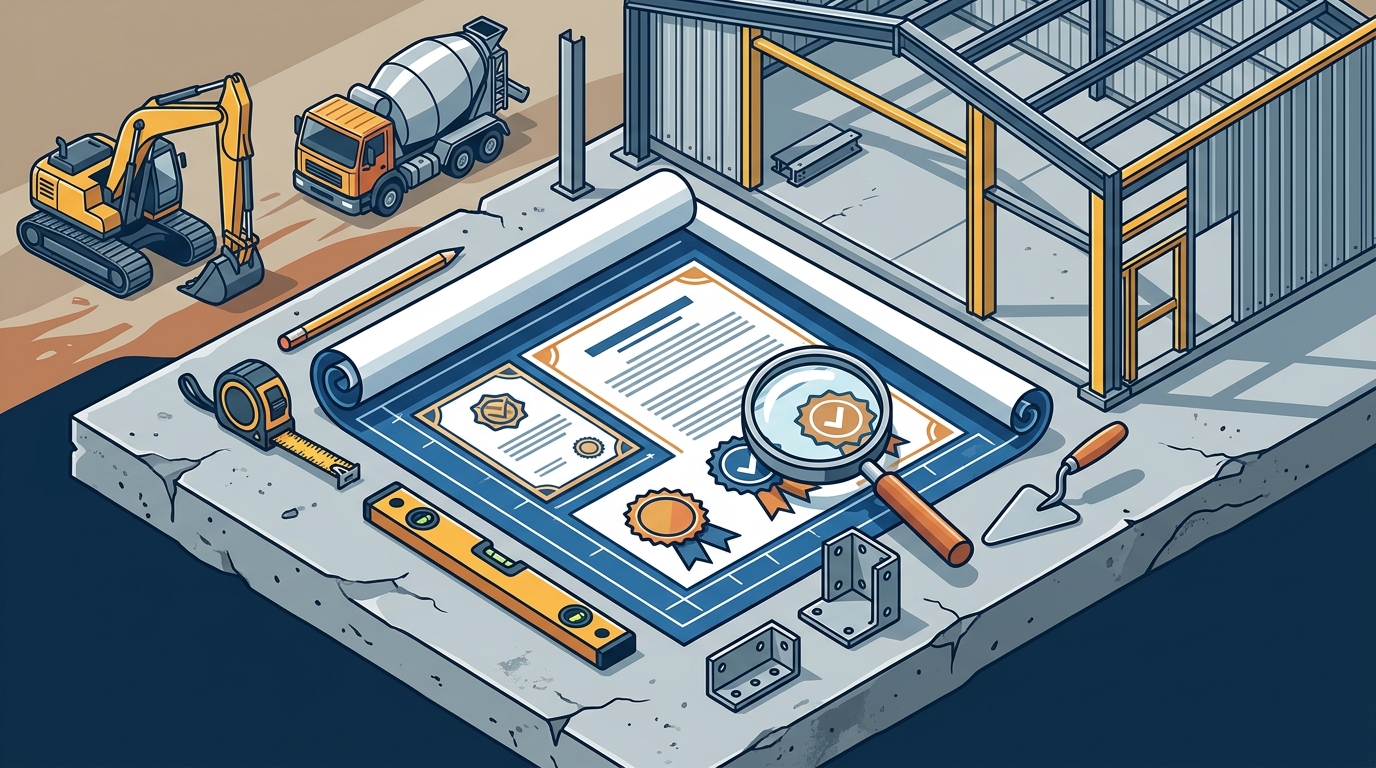
Look for crew members with formal safety training. While not always legally required for small residential jobs, OSHA 30-hour cards indicate that the crew has undergone rigorous safety training. This is particularly important for steel erection and concrete work, where accidents can be severe. A safety-focused crew reduces the risk of injury on your property.
6. Manufacturer Certification
Verify the builder is authorized by the steel manufacturer. Reputable metal building manufacturers certify their dealers and installers to ensure quality control. This certification means the builder has passed training on the specific framing and panel systems they are installing. It also ensures that your building warranty is valid and supported by the manufacturer.
7. General Liability Insurance Certificate
Request proof of insurance before signing any contract. General liability insurance protects you if the builder damages your property or if someone is injured on your land during construction. Always ask for a certificate of insurance that names you as an additional insured. This is a non-negotiable step in protecting your financial investment.
Choosing the Right Builder
When selecting a workshop builder in Virginia, prioritize companies that handle both the foundation and the steel installation. This approach eliminates the finger-pointing that often occurs when separate contractors are involved. Stoots Storage Solutions provides this turnkey service, ensuring one point of contact from site prep to final inspection.
Frequently Asked Questions
Does Virginia require a license for metal building installation?
Virginia does not require a general contractor license for simple metal building installation, but specific trades like concrete, electrical, and plumbing do require state-issued licenses.
What is a Class A General Contractor license in Virginia?
A Class A General Contractor license is a state-issued credential that allows a business to manage complex construction projects, including significant site work and structural modifications.
Why is a structural engineer seal important for a metal workshop?
A structural engineer seal verifies that the building design meets local wind and snow load requirements, which is often necessary for passing county inspections.
How can I verify a builder's insurance in Virginia?
You can verify a builder's insurance by requesting a certificate of insurance that lists your name as an additional insured and confirms coverage for general liability and workers' compensation.
Does Stoots Storage Solutions handle permits in Virginia?
Yes, Stoots Storage Solutions helps customers navigate local permit requirements in Virginia and North Carolina, ensuring that all necessary paperwork and inspections are completed.
Final Thoughts
Verifying licensing and certifications is the best way to protect your investment in a new metal workshop. By choosing a builder who handles the entire process, from concrete to steel, you ensure a seamless and compliant construction experience. To discuss your project and verify our credentials, contact Stoots Storage Solutions today.